
Suggestions





















How Off-Grid Power Is Supporting UAE Energy Goals
The United Arab Emirates is steadily expanding its energy portfolio by embracing decentralized electricity solutions that improve reliability, sustainability, and energy security. As industrial development reaches remote areas and renewable energy adoption accelerates, independent power systems are becoming an important component of the country's long-term infrastructure strategy. These systems reduce dependence on conventional grid networks while supporting economic diversification and environmental objectives.
The UAE Off-Grid Power System Market reflects this transformation as businesses, utilities, and public agencies increasingly invest in standalone energy solutions for locations where conventional grid connectivity is limited or impractical. According to an analysis published by MarkNtel Advisors, the market was valued at around USD 39 million in 2025 and is projected to reach approximately USD 57 million by 2032, growing at a CAGR of about 5.22% during 2026–2032. Organizations exploring decentralized power infrastructure solutions are closely monitoring these developments as demand continues to evolve.
Several factors contribute to this momentum, including increasing renewable energy deployment, technological improvements in battery storage, and the growing need for reliable electricity in remote industrial operations. Off-grid systems also align with national sustainability initiatives by enabling cleaner energy generation while reducing reliance on diesel-powered generators in isolated locations.
Renewable Energy Integration Is Reshaping Power Generation
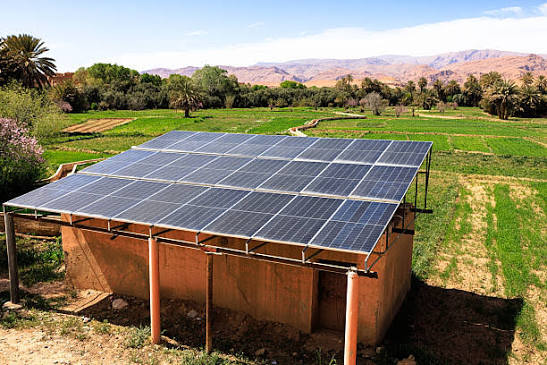
Solar energy has become one of the strongest drivers behind independent power solutions across the UAE. The country's favorable climate offers abundant sunlight throughout the year, making photovoltaic systems highly efficient for remote installations. When combined with advanced battery storage technologies, solar-powered systems can deliver continuous electricity while lowering fuel consumption and operating expenses.
Hybrid energy systems that combine solar panels, batteries, and backup generators are also becoming increasingly popular. These configurations improve operational reliability while ensuring uninterrupted power during varying weather conditions or periods of high electricity demand. Such flexibility makes them suitable for commercial, industrial, and infrastructure projects.
Industrial Expansion Creates New Opportunities
Rapid industrial growth across sectors such as oil and gas, construction, mining, telecommunications, and tourism continues to generate demand for dependable electricity beyond traditional grid coverage. Remote worksites require uninterrupted power to maintain productivity, operate heavy equipment, and support worker accommodations.
According to the International Energy Agency (IEA), the UAE continues investing heavily in energy diversification and renewable infrastructure to strengthen long-term sustainability objectives. These investments create favorable conditions for wider adoption of independent energy systems that can complement existing grid infrastructure.
Advancements in Energy Storage Improve System Performance
Battery technology has advanced significantly over the past decade, improving the efficiency and reliability of off-grid installations. Modern lithium-ion batteries provide longer operational life, faster charging, higher energy density, and lower maintenance requirements compared to conventional storage technologies.
Smart energy management software further enhances system performance by monitoring electricity production, optimizing battery utilization, and predicting maintenance requirements. These digital capabilities allow operators to maximize efficiency while minimizing operational disruptions.
Sustainability Initiatives Encourage Market Development
The UAE continues implementing ambitious sustainability strategies that encourage renewable energy deployment and carbon emission reductions. Off-grid renewable systems contribute directly to these objectives by supporting clean electricity generation in locations where extending transmission infrastructure may be economically challenging.
The International Renewable Energy Agency (IRENA) highlights that decentralized renewable energy systems improve energy access while supporting resilience and long-term environmental sustainability. Such solutions are increasingly viewed as complementary assets within broader national energy transition strategies.
Challenges Remain Despite Positive Outlook
Although technological improvements continue reducing costs, initial capital investment remains one of the primary considerations for organizations evaluating independent power systems. Project planning also requires careful assessment of energy demand, equipment sizing, environmental conditions, and long-term maintenance requirements.
In addition, integrating multiple technologies—including renewable generation, storage systems, and backup power sources—requires specialized engineering expertise. However, ongoing innovation and economies of scale are expected to improve affordability and simplify deployment over the coming years.
Future Outlook
The future of decentralized electricity generation in the UAE appears promising as renewable energy adoption, digital monitoring technologies, and advanced storage solutions continue evolving together. Independent energy systems are expected to play an increasingly important role in supporting industrial operations, remote infrastructure, and sustainable development initiatives across the country.
As organizations prioritize operational resilience, energy efficiency, and environmental responsibility, investment in flexible standalone power solutions is likely to expand steadily throughout the forecast period. Continuous technological innovation and supportive national energy policies will further strengthen the role of these systems in the UAE's evolving energy landscape.
Follow us on