
Suggestions




















GlycoMode Review 2026: Ingredients, Benefits, Results, and Price
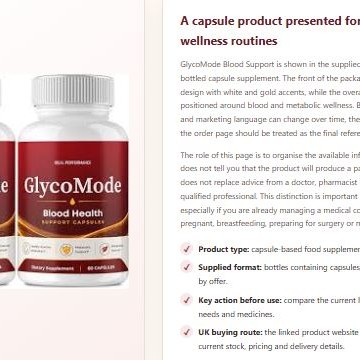
GlycoMode is a dietary supplement sold in capsule form and marketed for blood health and healthy glucose metabolism. It contains a blend of plant extracts and other ingredients intended to complement a balanced diet and healthy lifestyle.
According to the product information available online, GlycoMode comes in a bottle of 60 capsules and contains nine ingredients in a proprietary blend. However, the individual amounts of these ingredients are not disclosed, and there is no robust clinical evidence establishing that GlycoMode itself effectively controls blood sugar or treats diabetes.
GlycoMode™ Blood Health ➢ ➢ Get Exclusive Offers on Official Website - Upto 60% off in USA

How Does Glyco Mode Work?
GlycoMode is marketed to support normal glucose metabolism through a combination of botanical ingredients and an amino acid. Some of its ingredients have been studied for their possible effects on blood sugar, appetite, or metabolism.
For example, cinnamon and bitter melon have been investigated for their potential effects on glucose regulation. Apple cider vinegar has also been studied for its possible influence on post-meal blood sugar, although the research often involves liquid vinegar rather than the form used in this supplement.
The remaining ingredients have different traditional or marketed uses, including weight management and men's vitality. Their inclusion does not establish that the complete formula improves glucose control.
Important: GlycoMode is a dietary supplement, not a diabetes medication. It should not replace prescribed treatment, blood glucose monitoring, or professional medical advice.
What Are the Ingredients in GlycoMode?
According to the product's published ingredient information, the proprietary blend contains nine ingredients:
-
L-Lysine HCl: An essential amino acid involved in normal protein production.
-
Apple cider vinegar: Studied for possible effects on post-meal glucose responses.
-
Garcinia cambogia powder: A botanical commonly marketed for weight management.
-
Tongkat ali extract: Traditionally used in supplements marketed for men's vitality.
-
Horny goat weed extract: A botanical commonly used in men's wellness products.
-
Wild yam extract: A plant-derived ingredient used in traditional herbal preparations.
-
Cinnamon extract: Studied for its potential effects on glucose metabolism.
-
Bitter melon extract: A traditional botanical investigated for possible blood sugar effects.
-
Raspberry ketones: An ingredient marketed for weight management, with limited reliable human evidence supporting these claims.
The label lists a total of 1,000 mg for the proprietary blend but does not specify the amount of each ingredient. Other ingredients include a gelatin capsule, rice powder, and vegetable-grade magnesium stearate.

Potential Benefits of Glyco Mode
GlycoMode is advertised for metabolic wellness, but its potential benefits should be considered in light of the available scientific evidence.
-
Glucose metabolism support: Cinnamon and bitter melon are being studied for possible effects on blood glucose, but findings are inconsistent.
-
Antioxidant support: Some botanical ingredients contain naturally occurring plant compounds with antioxidant properties.
-
Metabolic wellness: Garcinia cambogia and raspberry ketones are marketed for weight management, although reliable evidence of meaningful weight-loss benefits is limited.
-
General wellness: L-lysine contributes to normal protein synthesis, while tongkat ali and horny goat weed are traditionally associated with men's wellness.
These are ingredient-related uses, not proven outcomes for GlycoMode. The supplement has not been established as an effective treatment for high blood sugar, diabetes, or obesity.
How to Use Glyco Mode
According to the product label, adults should follow these directions:
-
Take one or two capsules daily, as directed on the label.
-
Swallow the capsules with an approximately 8-ounce glass of water.
-
Do not exceed the recommended serving.
-
Store the bottle in a cool, dry place away from excessive heat and moisture.
Consult a healthcare professional before using GlycoMode if you have diabetes, liver problems, or another medical condition. Ingredients such as cinnamon and bitter melon may affect blood glucose, while garcinia cambogia has been associated with reports of liver injury. Potential interactions with blood pressure medicines and blood thinners also warrant caution.

What Results Can You Expect?
Results can vary depending on diet, activity levels, existing health conditions, and individual response. There is no established timeline for GlycoMode to produce measurable improvements in blood sugar, energy, or weight.
If you have diabetes or prediabetes, monitor your blood glucose as recommended by your healthcare professional. Laboratory tests, including HbA1c when appropriate, provide more reliable information about glucose control than subjective feelings of improved energy.
Do not discontinue prescribed medication or delay medical care in favour of this supplement.
Conclusion
GlycoMode combines nine ingredients marketed for blood sugar and metabolic support. Although some ingredients have been studied individually, the effectiveness of the complete formula remains unproven. Check the full label, consider possible medication interactions, and consult a qualified healthcare professional before using it for blood sugar management.


How Glyco Mode Can Improve Your Heart Health?
Glyco Mode offers a combination of natural ingredients that have shown promise in supporting blood sugar management and heart health. While the specific components have demonstrated potential benefits in various studies, the effectiveness of the supplement still needs more research. Like any dietary supplement, individual reactions may vary based on factors like genetics, lifestyle, and any existing health conditions. The GlycoMode pill is beneficial for your health. The formula was created with ingredients that are scientifically proven to improve blood levels and effectively address health issues. It is designed for those who suffer from high blood pressure, high blood sugar, or low blood levels. Reviews of GlycoMode have started to emerge, showing the effectiveness of the formula, its ingredients, and the long-term health benefits it provides. All the ingredients in GlycoMode are 100% natural and do not harm your health. Moreover, many customers who have tried the product recommend using GlycoMode to experience improved health and wellness. Read More:- https://glycomod.org/ https://n7neo.uk/ https://glycocare.net/ https://glycocare.org/ https://theglycocare.com/ https://luxoviacbd.com/ https://luxoviabloodhealth.com/ https://trimalyn.co.uk/ https://trimtoxgummies.com/ https://thehorsevital.com/ https://theolivaro.org/ https://forestgreenfarms.net/
Olivaro: Is It Worth Buying? Complete Supplement Review
Olivaro Drops is a liquid dietary supplement marketed to adults who want to support healthy blood sugar levels, manage sweet cravings, and maintain everyday energy. It comes in a dropper bottle and combines a trace mineral with botanical extracts.
The product's official website lists six key ingredients: chromium picolinate, gymnema leaf extract, African mango seed extract, green tea leaf extract, maca root extract, and Panax ginseng. However, the product's specific effectiveness has not been established through robust clinical trials.
Olivaro™ Blood Sugar Support ➢ ➢ Get Exclusive Offers on Official Website - Upto 60% off in USA

How Does Olivaro Blood Sugar Support Work?
Olivaro is designed to complement a healthy lifestyle by providing nutrients and plant extracts associated with glucose metabolism and general wellness.
-
Chromium picolinate provides chromium, a trace mineral involved in normal carbohydrate metabolism and insulin function.
-
Gymnema leaf extract is traditionally used in herbal preparations related to sugar cravings and glucose management, although clinical evidence remains limited.
-
Green tea extract contains catechins, plant compounds studied for their potential metabolic effects.
-
Ginseng and maca are traditionally used to support vitality and general well-being, but their effects on blood sugar are not conclusively established for this formula.
The liquid is taken orally, with the manufacturer recommending that users briefly hold it under the tongue before swallowing. Claims that this method guarantees faster absorption or superior results should be treated cautiously.
What Are the Ingredients in Olivaro Drops?
According to the product's advertised formula, the six main ingredients are:
-
Chromium picolinate: Supports normal carbohydrate metabolism.
-
Gymnema sylvestre leaf extract: A traditional botanical being studied for its potential effects on sugar cravings and glucose regulation.
-
African mango seed extract: Included for its marketed metabolic and weight-management benefits, although evidence is limited.
-
Green tea leaf extract: Provides antioxidant compounds and may contain some caffeine.
-
Maca root extract: Traditionally used to support vitality and energy.
-
Panax ginseng extract: A botanical studied for possible effects on fatigue and glucose metabolism.
The official website names these ingredients but does not disclose the individual amount of each ingredient on its main product information page. Review the Supplement Facts label on the bottle before purchasing, especially if you have allergies or take medication.

Olivaro™ Blood Sugar Support ➢ ➢ Get Exclusive Offers on Official Website - Upto 60% off in USA
Potential Benefits of Olivaro Blood Sugar Support
Olivaro is promoted for several wellness goals, but the benefits of the finished supplement have not been independently confirmed.
-
Blood sugar wellness: Chromium and certain botanicals are studied for their potential roles in glucose metabolism.
-
Support for healthy energy: Ginseng and maca are traditionally associated with vitality, although results vary.
-
Sweet-craving management: Gymnema is being investigated for its possible effects on sweet taste and sugar intake.
-
Antioxidant support: Green tea contains catechins with antioxidant properties.
-
Metabolic wellness: African mango and green tea extracts are marketed for metabolic support, but evidence for meaningful weight loss is limited.
These potential benefits should not be interpreted as proof that Olivaro lowers blood glucose or prevents diabetes.
How to Use Olivaro Drops
The manufacturer's advertised directions recommend the following routine:
-
Shake the bottle before use.
-
Take one to two droppers daily, following the exact serving instructions on your product label.
-
Hold the liquid briefly under your tongue before swallowing, as directed.
-
Combine supplementation with balanced meals, regular physical activity, adequate hydration, and sufficient sleep.
Consult your healthcare professional before taking Olivaro if you have diabetes, take insulin or other glucose-lowering medication, or use medicines for blood pressure. Certain ingredients may interact with medications or increase the risk of low blood sugar. Do not stop or change prescribed treatment to use this supplement.
What Results Can You Expect?
Results can vary depending on diet, activity, existing health conditions, and individual response. Some users may report changes in energy or cravings, but testimonials alone cannot demonstrate effectiveness.
There is no scientifically established timeline for blood sugar improvements with Olivaro. Claims promising guaranteed results within a few days or weeks should be approached cautiously. If you have concerns about your glucose levels, appropriate blood tests and medical advice are more reliable than judging results by how you feel.

Olivaro™ Blood Sugar Support ➢ ➢ Get Exclusive Offers on Official Website - Upto 60% off in USA
Conclusion
Olivaro is a liquid supplement containing chromium and five botanical extracts. Although its ingredients have been studied for various health effects, there is insufficient evidence to establish that the product itself reliably controls blood sugar or treats diabetes. Consider it only as a possible supplement to healthy habits, with medical guidance when appropriate—not as a replacement for proven diabetes care.
https://theglycocare.com/
https://balancewellcbdgummies.
https://melaramaxpillows.com

Is Vitalix Prime suitable for all adult men?
Men's health and wellness are important aspects of maintaining a balanced and active lifestyle. As men grow older, changes in energy levels, daily performance, confidence, and overall well-being can influence how they feel throughout the day. Busy schedules, work-related stress, inconsistent sleep, and lifestyle habits may also affect physical and mental vitality. Vitalix Prime Male Enhancement is a product name associated with the male wellness category, appealing to men who are interested in supporting their confidence, vitality, and personal well-being. For many men, maintaining a healthy lifestyle involves more than physical fitness alone. It also includes balanced nutrition, regular exercise, quality sleep, stress management, and attention to intimate health. Products marketed for male enhancement may attract interest from individuals seeking additional support as part of their broader wellness routines. However, understanding the product's ingredients, intended use, and available evidence is essential before deciding whether it is appropriate for individual needs. What Is Vitalix Prime Male Enhancement? Vitalix Prime Male Enhancement is positioned within the male enhancement and wellness market. Products in this category are commonly promoted toward adult men who want to learn more about supporting energy, stamina, confidence, and sexual wellness. The specific benefits of any individual product depend on its formulation, ingredient quantities, quality standards, and scientific evidence. Before purchasing Vitalix Prime, consumers should review its official product label and packaging to determine exactly what it contains. Ingredient transparency is particularly important because male enhancement products can differ significantly in their formulas. Some products contain vitamins, minerals, botanical extracts, or other dietary ingredients, while others may use different combinations. It is important not to assume that Vitalix Prime contains any particular ingredient or delivers a specific result without reliable product documentation. Reviewing the label and checking the manufacturer's information can help consumers make informed decisions based on facts rather than marketing claims. Potential Areas of Interest for Male Wellness 1. Energy and Everyday Vitality Energy plays an important role in daily activities, exercise, work, and personal relationships. Men who experience persistent tiredness may explore ways to improve their routines and overall health. Adequate sleep, regular physical activity, sufficient hydration, and balanced meals are foundational elements of maintaining energy. Certain nutrients are necessary for normal bodily functions, but supplementation is most useful when it addresses a genuine nutritional need. A male wellness product should therefore be evaluated according to its ingredients and the evidence supporting their intended use rather than broad promises of increased energy. 2. Stamina and Physical Performance Physical stamina depends on several factors, including cardiovascular health, muscular fitness, nutrition, recovery, and sleep quality. Men who want to improve endurance can benefit from a consistent exercise routine suited to their fitness level. Although male enhancement products may be marketed with stamina-related claims, such claims should not automatically be interpreted as proven effects. Consumers should look for credible clinical evidence and avoid products that promise dramatic or immediate improvements without substantiation. 3. Confidence and Intimate Wellness Confidence and intimate well-being can be influenced by physical health, emotional balance, stress, communication, and relationship satisfaction. Men experiencing concerns about sexual performance may find it helpful to understand the underlying factors instead of relying solely on over-the-counter supplements. Sexual health concerns are common and can sometimes be associated with conditions such as diabetes, cardiovascular disease, hormonal changes, medication effects, or psychological stress. A qualified healthcare professional can help identify possible causes and recommend suitable options. Vitalix Prime should not be considered a proven treatment for erectile dysfunction, low testosterone, infertility, or other medical conditions unless appropriate evidence and regulatory authorization support such a claim. 4. Supporting a Balanced Lifestyle Long-term wellness is generally influenced by everyday habits rather than a single supplement. A nutritious diet containing vegetables, fruits, whole grains, protein sources, and healthy fats supports normal bodily functions. Regular movement, adequate rest, and effective stress management can also contribute to overall health. Men considering Vitalix Prime may wish to evaluate how the product fits into these established wellness practices. Supplements, where appropriate, should complement healthy habits rather than replace them. How to Evaluate Vitalix Prime Male Enhancement Choosing a male wellness supplement requires careful attention to product quality, safety, and transparency. Before purchasing Vitalix Prime, consider the following factors: Ingredient information: Check whether the complete ingredient list and quantities are clearly disclosed. Manufacturer details: Look for verifiable company information, contact details, and manufacturing standards. Evidence for claims: Distinguish between general promotional statements and benefits supported by credible human studies. Quality and authenticity: Purchase only from trustworthy sellers and check the product's seal, batch information, and expiration date. Safety considerations: Review possible interactions with prescription medicines, existing health conditions, and other supplements. Realistic expectations: Be cautious of claims guaranteeing permanent results, instant performance improvements, or identical outcomes for every user. These checks can help consumers distinguish transparent products from offerings that rely primarily on exaggerated marketing. Safety Considerations and Responsible Use Safety should remain a priority when considering any male enhancement supplement. Natural ingredients are not automatically safe for everyone, and the effects of a product depend on its actual composition and dosage. Some male enhancement products have been found to contain undeclared pharmaceutical ingredients that may interact dangerously with medications, particularly medicines containing nitrates used for certain heart conditions. This makes independent verification and careful product selection especially important. Consumers should follow the directions on a verified product label and avoid exceeding the recommended serving. Anyone taking prescription medication, managing a chronic health condition, or experiencing unexplained changes in sexual function should consult a qualified healthcare professional before using a supplement. Seek medical advice if symptoms such as persistent fatigue, reduced libido, or erectile difficulties continue. These symptoms can sometimes indicate an underlying health issue that deserves appropriate assessment. Final Thoughts on Vitalix Prime Male Enhancement Vitalix Prime Male Enhancement is a name that may attract men exploring products related to vitality, confidence, stamina, and intimate wellness. Nevertheless, an informed purchasing decision requires more than persuasive advertising. Consumers should establish what the product contains, examine the evidence for its claims, and consider its safety in the context of their individual health. A thoughtful approach to male wellness combines realistic expectations with sustainable lifestyle habits and professional guidance when needed. Rather than relying on promises of instant transformation, men can make better decisions by prioritizing transparent product information, evidence-based health practices, and their long-term well-being. https://vitalix-prime.org/
Who can use Thinveil GLP-1?
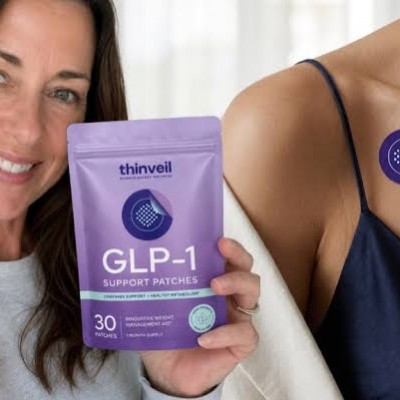
Managing weight can be challenging, especially when busy schedules, changing eating habits, food cravings, and inconsistent routines make it difficult to maintain a healthy lifestyle. Many people are now exploring supplements that may complement their daily wellness habits and support their weight management goals. The Thinveil GLP-1 Weight Loss Supplement is a product of interest for individuals looking for an additional option to consider as part of their overall approach to weight management. GLP-1 has become a popular topic in discussions about appetite regulation, digestion, and metabolic health. This interest has also encouraged consumers to learn more about supplements marketed around GLP-1-related wellness. However, it is important to understand that dietary supplements and prescription GLP-1 medications are not the same. The effectiveness of any supplement depends on its actual ingredients, formulation, dosage, and available scientific evidence. For anyone considering Thinveil, understanding the product, reviewing its label, and combining informed choices with sustainable lifestyle habits are important steps toward making a responsible decision. What Is Thinveil GLP-1 Weight Loss Supplement? Thinveil GLP-1 Weight Loss Supplement is marketed toward consumers interested in weight management and everyday wellness. It may appeal to adults who want to complement their efforts to improve their eating habits, maintain an active lifestyle, and establish a more consistent health routine. The term GLP-1 refers to glucagon-like peptide-1, a hormone naturally produced in the body. It plays a role in regulating blood sugar and appetite, as well as influencing how quickly food moves through the digestive system. These functions have made GLP-1 an important subject in modern metabolic health research. Nevertheless, a supplement marketed as a GLP-1 product should not automatically be assumed to contain GLP-1 or produce the same effects as prescription medications that act on GLP-1 receptors. Consumers should examine Thinveil's official ingredient list and product information before drawing conclusions about its potential benefits. Understanding GLP-1 and Weight Management GLP-1 is involved in several processes associated with appetite and glucose regulation. Prescription medications that activate GLP-1 receptors have been studied and approved for specific medical uses, including certain weight management and diabetes indications. These medications work through defined biological mechanisms and are subject to regulatory requirements. Over-the-counter supplements are different. Their ingredients may have different purposes, levels of scientific support, and potential effects on the body. This distinction matters when evaluating a product such as Thinveil. A product name or marketing reference to GLP-1 does not establish that the supplement increases GLP-1 activity, reduces body weight, or produces clinically meaningful results. A careful approach involves checking the product's ingredients, reviewing credible scientific evidence, and discussing relevant health concerns with a qualified healthcare professional. Potential Benefits to Consider The potential benefits of Thinveil depend on its verified formulation. Without a complete ingredient list and reliable clinical evidence specific to the product, it would be inappropriate to promise particular weight loss results. Consumers researching Thinveil may want to consider the following areas: 1. Support for weight management goals A weight management supplement may be considered alongside a balanced diet, regular physical activity, and consistent lifestyle habits. However, the product's ability to contribute meaningfully to weight loss must be evaluated using evidence rather than advertising claims. 2. Appetite and eating habits Appetite regulation is an important part of weight management. Some nutritional ingredients have been studied for their possible effects on fullness or food intake, but findings vary considerably. Any appetite-related benefit from Thinveil would need to be supported by evidence relevant to its actual ingredients and dosages. 3. Daily wellness routines For some consumers, following a structured wellness routine can encourage greater consistency with meals, exercise, hydration, and other healthy behaviors. A supplement should remain a secondary consideration rather than the foundation of a weight management plan. 4. A more informed approach to health Researching a supplement before purchasing it can help consumers make better decisions. Checking ingredient transparency, manufacturer information, safety warnings, and refund policies can be just as important as understanding the product's advertised purpose. How to Incorporate Thinveil Into a Healthy Lifestyle Anyone considering Thinveil should first review its packaging and official instructions. Follow the labeled serving directions, avoid exceeding the recommended amount, and consult a healthcare professional if there are questions about suitability or possible interactions with medications. For sustainable weight management, consider these everyday practices: Choose balanced meals: Include vegetables, fruits, protein sources, whole grains, and appropriate portions of healthy fats. Prioritize protein and fiber: These nutrients can contribute to fullness and help support overall nutritional needs when included in a balanced diet. Stay physically active: Choose activities that fit your abilities and schedule, such as walking, cycling, swimming, or strength training. Maintain consistent sleep habits: Adequate sleep supports general health and can influence appetite and daily energy levels. Drink enough water: Hydration is an important part of everyday health, although water alone does not cause significant fat loss. Track progress realistically: Focus on sustainable habits and long-term health improvements rather than expecting rapid changes on the scale. These practices can form the foundation of a weight management plan, whether or not a person chooses to use a supplement. Safety and Important Considerations Before purchasing Thinveil GLP-1 Weight Loss Supplement, consumers should verify the complete ingredient list, serving size, manufacturer details, and relevant safety information. They should also look for credible evidence supporting the product's specific claims. Natural ingredients are not automatically safe for everyone. Certain supplements may cause digestive discomfort, interact with medications, or be unsuitable for individuals with particular health conditions. People who are pregnant or breastfeeding, have chronic medical conditions, or take prescription medication should seek professional advice before using a new supplement. Be cautious of marketing that promises effortless weight loss, guaranteed results, dramatic changes within a few days, or effects identical to prescription GLP-1 medications. Such claims should not be accepted without strong supporting evidence. It is also important to understand that dietary supplements are not substitutes for medical treatment. Anyone experiencing unexplained weight changes or struggling with weight-related health concerns may benefit from speaking with a qualified healthcare professional. Who Should Consider Researching Thinveil? Thinveil may be of interest to adults exploring supplement options as part of a broader weight management strategy. However, suitability cannot be determined from the product name alone. Before deciding whether it fits your needs, consider your current health, nutritional habits, personal goals, budget, and any medications you take. Compare the product's ingredients and evidence with other available options, and be realistic about what a supplement can reasonably accomplish. If your primary goal is substantial weight loss or the management of a medical condition, professional guidance can help you identify evidence-based options that are appropriate for your circumstances. Final Thoughts on Thinveil GLP-1 Weight Loss Supplement The Thinveil GLP-1 Weight Loss Supplement is a product consumers may encounter while researching modern approaches to weight management. Its potential value, however, should be assessed through transparent ingredient information, credible scientific evidence, and realistic expectations rather than the popularity of GLP-1-related marketing. Long-term weight management generally requires a combination of sustainable eating habits, regular movement, adequate rest, and individualized health guidance. A supplement, if appropriate, should complement these fundamentals instead of replacing them. https://thinveilglp-1.com/
How do you use Vitalix Prime Male Enhancement?
Vitalix Prime male enhancement is a product marketed toward men who want to explore options for supporting their vitality, confidence, stamina, and overall male wellness. With increasing interest in personal health and healthy aging, many men look for convenient ways to maintain their energy, physical performance, and sexual well-being. Before considering Vitalix Prime, however, it is important to understand that the benefits of any male enhancement supplement depend on its verified ingredients, formulation, dosage, and available scientific evidence. Consumers should review the product label carefully and confirm the manufacturer's identity, ingredient transparency, and quality standards before making a purchase. Male wellness supplements may contain vitamins, minerals, or herbal ingredients intended to support general health, but their effects vary depending on individual needs and the specific substances used. For example, correcting a nutritional deficiency may help improve certain aspects of health, but taking additional supplements does not necessarily improve testosterone levels, sexual desire, erection quality, or stamina in otherwise healthy individuals. There is currently no basis for assuming that Vitalix Prime provides specific results without reliable evidence about its exact formulation and clinical effectiveness. Men should therefore approach claims involving rapid performance improvements, guaranteed testosterone increases, or dramatic physical changes with caution. Sexual wellness is influenced by several factors, including cardiovascular health, hormone levels, emotional well-being, sleep quality, stress, and lifestyle habits. Maintaining a balanced diet, participating in regular physical activity, getting adequate sleep, and managing stress can contribute to overall vitality and may support aspects of sexual health. Limiting alcohol consumption and avoiding tobacco can also benefit circulation and general well-being. Anyone experiencing persistent erectile difficulties, reduced libido, unusual fatigue, or other changes in sexual function should consider consulting a qualified healthcare professional rather than relying exclusively on supplements. Such symptoms can sometimes indicate an underlying health condition that deserves appropriate evaluation. Safety is another important consideration when choosing a male enhancement product. Consumers should check the complete ingredient list, follow the labeled directions, and avoid products with undisclosed substances or exaggerated advertising claims. Supplements may interact with prescription medications, particularly treatments for heart disease, blood pressure, or other chronic conditions. Individuals with existing medical concerns should seek professional advice before using a new product. It is also wise to purchase only from reputable sellers and verify any available independent quality testing, return policies, and customer support information. Although online testimonials may describe positive experiences, personal reviews are not reliable proof that a supplement is effective or safe for everyone. Ultimately, Vitalix Prime should be evaluated through its verified composition, manufacturer credibility, safety profile, and supporting scientific research rather than promotional promises alone. Men interested in this product should establish realistic expectations and consult a healthcare professional when appropriate. A thoughtful approach that prioritizes evidence, healthy habits, and individual medical needs offers a more dependable foundation for maintaining confidence, vitality, and long-term male wellness. https://vitalix-prime.org/
Does Vitalix Prime Male Enhancement increase libido?
Vitalix Prime male enhancement is a product that may appeal to men who want to support their confidence, vitality, stamina, and overall wellness as part of a healthy lifestyle. Male enhancement supplements are commonly marketed toward individuals seeking to improve energy levels, support sexual wellness, and maintain physical performance as they age. However, it is important to understand that the effectiveness of any supplement depends on its specific ingredients, dosage, product quality, and available scientific evidence. Before considering Vitalix Prime, consumers should carefully review the official product label and verify the manufacturer's information to understand what the formula contains and what benefits, if any, are supported by reliable research. Some male wellness supplements contain ingredients such as zinc, certain vitamins, or herbal extracts that are promoted for general health, but the benefits depend on the ingredient and whether a person has a nutritional deficiency or another relevant health concern. There is no guarantee that a supplement will increase testosterone, improve erections, enhance libido, or deliver noticeable changes in sexual performance. Consumers should be especially cautious of products promising immediate results, dramatic increases in size, or guaranteed improvements in sexual stamina, as such claims may lack credible scientific support. It is also essential to distinguish dietary supplements from prescription treatments designed for specific sexual health conditions. Persistent difficulties with erections, reduced sexual desire, unusual fatigue, or concerns about testosterone levels can sometimes be associated with underlying medical conditions, medication effects, stress, or lifestyle factors. Consulting a qualified healthcare professional can help identify potential causes and determine suitable treatment options. Men considering Vitalix Prime should also check for possible interactions with prescription medications, especially medicines for blood pressure, heart conditions, or other chronic health concerns. Products with undisclosed ingredients or unsupported claims may pose unnecessary risks, so purchasing from a reputable source and checking for transparent labeling and independent quality testing are sensible precautions. Alongside any appropriate supplement, healthy daily habits can play an important role in supporting male wellness. Regular exercise, balanced nutrition, sufficient sleep, stress management, limiting excessive alcohol consumption, and avoiding tobacco can contribute to cardiovascular health, energy, and overall physical well-being. These factors may also support sexual health, although results vary from person to person. It is equally important to maintain realistic expectations and avoid treating supplements as guaranteed solutions for complex health concerns. Ultimately, Vitalix Prime should be evaluated based on its verified ingredients, safety information, manufacturer transparency, and credible evidence rather than marketing promises alone. Men who are interested in trying this product should review its current formulation and discuss its suitability with a healthcare professional, particularly if they have existing health conditions or take medication. Making informed decisions can help protect personal health while supporting confidence, vitality, and long-term wellness through safe, sustainable habits. https://vitalix-prime.org/
Can Vitalix Prime support male wellness?
Vitalix Prime is a male enhancement supplement designed for men who want to focus on their overall wellness, vitality, energy, and active lifestyle. Men's health can be influenced by several factors, including nutrition, physical activity, sleep quality, stress management, and everyday habits. For individuals interested in supporting their general well-being, a supplement such as Vitalix Prime may be considered as part of a balanced approach to personal health. Men often look for products that fit conveniently into their daily routines while helping them pay greater attention to their nutritional needs and wellness goals. Vitalix Prime is associated with the male wellness category, which commonly focuses on maintaining vitality, supporting normal energy levels, and encouraging an active lifestyle. However, the actual benefits of any supplement depend on its ingredients, formulation, individual health conditions, and scientific evidence. Before choosing Vitalix Prime, consumers should carefully review the product label to understand its ingredients, recommended serving size, usage instructions, and any relevant warnings. It is also important to avoid assuming that a male enhancement supplement can automatically improve sexual performance, increase testosterone, or resolve erectile difficulties, as these outcomes cannot be guaranteed without reliable clinical evidence. Men who want to maintain their well-being can support their goals through regular exercise, balanced meals, adequate hydration, sufficient sleep, and effective stress management. These everyday habits can contribute to general health and help support energy levels over time. Some men may also benefit from discussing their nutritional needs with a qualified healthcare professional before introducing a new supplement into their routine. This is particularly important for individuals who take prescription medicines, have existing medical conditions, or experience persistent changes in sexual function, energy, or physical performance. A healthcare professional can help determine whether a supplement is appropriate and identify possible interactions or safety concerns. When evaluating Vitalix Prime, consumers should consider the transparency of its manufacturer, the quality of its ingredients, the availability of reliable product information, and the credibility of any advertised benefits. It is wise to be cautious of marketing claims that promise immediate results, dramatic physical changes, or guaranteed improvements in male performance. No dietary supplement should replace appropriate medical care or a healthy lifestyle. Men should also follow the product's official directions and avoid exceeding the recommended serving size in an attempt to achieve faster results. Ultimately, Vitalix Prime may interest adults looking for a product within the male wellness supplement category, but its effectiveness and suitability should be assessed carefully rather than assumed. Making informed decisions, maintaining healthy daily habits, and seeking professional guidance when necessary are practical steps toward supporting long-term wellness, personal confidence, and a healthier lifestyle. https://vitalix-prime.org/
Is a special diet needed with Thinveil?
Thinveil GLP-1 weight loss supplement is a product positioned for individuals who want to support their weight management goals and maintain a healthier lifestyle. Managing body weight can be challenging, particularly when busy schedules, changing eating habits, food cravings, and limited physical activity make it difficult to follow a consistent routine. Thinveil may be considered as part of a broader wellness plan that emphasizes balanced nutrition, regular movement, sufficient sleep, and sustainable daily habits. Before choosing any weight loss supplement, it is important to understand its ingredients, intended use, and potential limitations. The term GLP-1 refers to glucagon-like peptide-1, a hormone involved in appetite regulation, blood sugar management, and digestive processes. However, a supplement marketed with GLP-1 in its name should not automatically be assumed to contain GLP-1 medication or produce the same effects as prescription treatments. Consumers should review the official Thinveil product label to determine its actual formulation and verify any claims made by the manufacturer. A healthy approach to weight management begins with nutritious meals that include vegetables, fruits, whole grains, lean protein sources, and appropriate portions. Drinking enough water and maintaining regular meal patterns may also help individuals develop more consistent eating habits. Physical activity, including walking, cycling, strength training, or other enjoyable exercises, can contribute to energy expenditure and overall health. Adequate sleep and effective stress management are also important because sleep disruption and stress can influence appetite, food choices, and daily motivation. If Thinveil contains ingredients intended to support appetite control or metabolism, their effectiveness will depend on the specific ingredients, their amounts, and the available scientific evidence. It is therefore advisable to avoid assuming that the product guarantees rapid fat loss, suppresses appetite, balances hormones, or produces lasting results without lifestyle changes. Individual responses to supplements can vary, and some ingredients may cause unwanted effects or interact with medications. People with diabetes, digestive conditions, or other ongoing health concerns, as well as those who are pregnant or breastfeeding, should consult a qualified healthcare professional before using a weight loss supplement. Anyone taking prescription medication, particularly medication affecting blood glucose or appetite, should seek professional advice before adding a new product to their routine. Following the manufacturer's directions and avoiding excessive doses are important safety precautions. Consumers should also compare the product's price, serving size, ingredient transparency, and return policy before purchasing. Ultimately, Thinveil GLP-1 weight loss supplement should be evaluated carefully rather than viewed as a guaranteed solution for reducing body weight. Setting realistic goals, tracking progress consistently, and focusing on habits that can be maintained over time are more practical strategies for long-term weight management. A healthcare professional or registered dietitian can help determine whether a supplement is appropriate and recommend an individualized plan based on personal needs, health history, and weight management goals. https://thinveilglp-1.com/
Can Thinveil GLP-1 Weight Loss Supplement reduce appetite?
Thinveil GLP-1 weight loss supplement is a product associated with the growing interest in weight management, appetite control, and healthy lifestyle support. GLP-1, short for glucagon-like peptide-1, is a hormone naturally produced in the body that plays an important role in regulating appetite, blood sugar levels, and feelings of fullness after meals. As interest in GLP-1-based weight management continues to grow, many people are exploring supplements marketed for weight loss and metabolic wellness. However, it is important to understand that dietary supplements marketed as GLP-1 support products are not necessarily equivalent to prescription GLP-1 medications, which have been studied and approved for specific medical uses. Before considering Thinveil, consumers should carefully review the product's ingredient list, dosage instructions, manufacturer information, and available scientific evidence. Some weight management supplements contain ingredients such as fiber, plant extracts, or other compounds intended to support satiety, digestion, or general wellness, but their effects can vary considerably depending on the formulation and individual circumstances. The presence of the term GLP-1 in a product's marketing does not automatically mean that the supplement increases GLP-1 activity in a clinically meaningful way or produces substantial weight loss. People seeking to manage their weight should focus on sustainable habits, including balanced meals, adequate protein intake, fiber-rich foods, regular physical activity, sufficient sleep, and consistent hydration. These habits can support overall health and help create a realistic foundation for long-term weight management. Anyone considering Thinveil should also be cautious of advertisements promising rapid fat loss, dramatic appetite suppression, or results comparable to prescription injections without reliable clinical evidence. Supplements may cause side effects, interact with medications, or be unsuitable for people with certain medical conditions. Individuals who have diabetes, take blood sugar-lowering medication, are pregnant or breastfeeding, or have other significant health concerns should consult a qualified healthcare professional before using a weight loss supplement. It is equally important to purchase products from reputable sources and verify that the label clearly identifies the ingredients, serving size, manufacturer, and relevant safety information. Since reliable, product-specific clinical evidence is necessary to establish effectiveness, Thinveil should not be assumed to deliver guaranteed weight loss or proven GLP-1-related benefits without independent supporting research. Ultimately, the best approach to evaluating Thinveil is to distinguish marketing claims from demonstrated results and consider whether its ingredients have credible evidence supporting their intended use. A healthcare professional or registered dietitian can help determine whether the product is appropriate for an individual's goals and circumstances. Sustainable weight management is generally best supported by evidence-based nutrition, physical activity, behavioral changes, and medical guidance when needed, rather than relying on any single supplement as a complete solution. https://thinveilglp-1.com/

AlkaBurn Reviews
AlkaBurn Reviews https://www.facebook.com/Get.AlkaBurn.Capsules/ https://www.facebook.com/groups/getalkaburnreviews/ https://www.facebook.com/groups/alkaburnreviewsbenefits/ https://www.facebook.com/events/1120388757040281/ https://www.facebook.com/events/3644627175698451/ https://www.facebook.com/events/1487110316563452/ https://open.spotify.com/episode/1h51QnbhH1R2TvjTWhBNT6 https://open.spotify.com/episode/2g41vdkn8CWVSBrJq6w5oV https://sites.google.com/view/alkaburnreviews/home https://sites.google.com/view/alkaburn-reviews/home https://www.grepmed.com/alkaburnreviews https://www.grepmed.com/tryalkaburnreviews https://www.commudle.com/users/getalkaburnreviews https://www.commudle.com/users/alkaburnreviews https://www.readawrite.com/a/76e4a2bbcf4a254c29a89dc6a95f458f https://www.readawrite.com/a/7c95f77a2932f3cf757e643126f2a5dd https://open.firstory.fm/story/cmvqb1l7800ag01xkaf3s4ag9 https://open.firstory.fm/story/cmvqb37kr09g001xqd9hbgqkk https://script.google.com/macros/s/AKfycbzX_xFWVUoYZtvHcWBHeDOfZmcXnE9Z32my2iZuihHVVGFLiPQC1S0s87TPZNBqcwr0xQ/exec https://script.google.com/macros/s/AKfycby9edQl6XeZ9WU9HrcN9QgaBKpmWDckmmTdoAokLP08DtsdEe7MpPaajbNygIYixfr0/exec https://www.scribd.com/document/1090796796/AlkaBurn-How-It-Supports-Natural-Ketosis-and-Fat-Burning https://www.scribd.com/document/1090797464/AlkaBurn-Review-Honest-Feedback-on-Ingredients-Dosage-Results https://sketchfab.com/3d-models/alkaburn-f06ef0acf1eb459f9d8f4f2625b79013 https://sketchfab.com/3d-models/alkaburn-a5de172a430141dd91cb06c73a764087 https://colab.research.google.com/drive/1PDoPLHYLGIjaWPoxK1qDS5VV-X03EYG5 https://colab.research.google.com/drive/1cpJ2_vUJBI3I_tGt9wsOY6IVb6cMOkP_ https://xfdev.yesterdaystractors.com/index.php?threads/1915558/ https://xfdev.yesterdaystractors.com/index.php?threads/1915582/ https://xfdev.yesterdaystractors.com/index.php?threads/1915586/ https://alkaburnreviews.firstory.cc/ https://alkaburnreviews.firstory.cc/posts/alkaburnreviews-9bxt2mxfswq3 https://alkaburnreviews.firstory.cc/posts/alkaburnreviews-auvfrex4jpx8 https://hiringview-1793079018-6780.jimdosite.com/ https://supplements.forum/chat/threads/alkaburn-best-keto-and-acv-supplement-for-daily-energy-and-focus.192744/ https://supplements.forum/chat/threads/alkaburn-review-ingredients-benefits-and-side-effects-explained.192753/ https://flipbooklets.com/pdfflipbooklets/alkaburn-best-keto-and-acv-supplement-for-daily-energy-and-focus https://flipbooklets.com/pdfflipbooklets/alkaburn-capsules-official-is-it-worth-the-hype https://farmhealthorganicscbdgummiesbenefit.blogspot.com/2026/10/alkaburn-reviews-buying-guide-pricing.html AlphaSteel Male Enhancement https://www.facebook.com/groups/alphasteelmaleenhancementbuy/ https://www.facebook.com/groups/alphasteelmaleenhancementbenefits/ https://www.facebook.com/events/972301688771593/ https://www.facebook.com/events/2137052213561762/ https://open.spotify.com/show/4aE3RfQcS3hDBG8FpyKI9Z https://open.spotify.com/episode/3eMGMmBfpQkiz39rfL92i5 https://sites.google.com/view/alphasteel-me-buy/home https://sites.google.com/view/alphasteel-me-result/home https://www.grepmed.com/alphaSteelmaleenhancement https://www.grepmed.com/getalphaSteelmaleenhancement https://www.commudle.com/users/alphaSteelmaleenhancement https://www.commudle.com/users/alphasteelmebuy https://hiringview-1793086889-8131.jimdosite.com/ https://colab.research.google.com/drive/11rWpI0YtKBN4yZpM6Wv-5LE9B1Xs_9Hu https://colab.research.google.com/drive/1xmJS97wqFx_V6BIw_RcTQLVQ3VT42GQ8 https://open.firstory.fm/story/cmvqhe3c1006401x0gsy1e59v https://open.firstory.fm/story/cmvqhh5oz0a2201xa56jr2f5j https://alphasteelme.firstory.cc/ https://alphasteelme.firstory.cc/posts/getalphasteelme-5xdhbbfu9brz https://alphasteelme.firstory.cc/posts/alphasteelmaleenhancement-6944prrr4bkw https://script.google.com/macros/s/AKfycbza-SGYxwXJlBwnMRur3WGFFOftyUWBT4TlZWKyEj5yceyHO7whym7EfD0h__C4YdDH/exec https://script.google.com/macros/s/AKfycbxdxzoyCgggJQvebtg3rnLZ_-wJy43CP0lyTLkQxv4GaflGCM8nb_drK6KEI3b7o_133w/exec https://www.scribd.com/document/1090840893/AlphaSteel-Male-Enhancement-Official-Stamina-Energy-Formula https://www.scribd.com/document/1090841406/AlphaSteel-Male-Enhancement-I-ve-Tested-Honest-Review https://xfdev.yesterdaystractors.com/index.php?threads/1915638/ https://xfdev.yesterdaystractors.com/index.php?threads/1915626/ https://xfdev.yesterdaystractors.com/index.php?threads/1915629/ https://www.readawrite.com/a/93ac0d97442a7bc94719ed3857bc349a https://www.readawrite.com/a/9ee63890b030ac71ac367a61f95a8e16 https://hiringview-1793088776-1371.jimdosite.com/ https://sketchfab.com/3d-models/alphasteel-male-enhancement-206101260fb74ccf9bb4f7b49055db14 https://sketchfab.com/3d-models/alphasteel-male-enhancement-2b902987de7a4e29a33441e196b7b805 https://www.ewebdiscussion.com/threads/alphasteel-male-enhancement-supplement-is-this-ultra-powerful-formula-actually-safe-for-everyday-use.456491/ https://supplements.forum/chat/threads/alphasteel-male-enhancement-reviews-we-tried-it-my-honest-2026-review.192887/ https://supplements.forum/chat/threads/alphasteel-male-enhancement-for-male-enhancement-a-scientific-review-of-the-2026-performance-formula.192893/ https://supplements.forum/chat/threads/alphasteel-male-enhancement-for-male-enhancement-a-scientific-review-of-the-2026-performance-formula.192898/ https://flipbooklets.com/pdfflipbooklets/alphasteel-male-enhancement-reviews-does-this-supplement-really-work https://farmhealthorganicscbdgummiesbenefit.blogspot.com/2026/10/alphasteel-male-enhancement-my-honest.html

Heatomi Portable Heater - How It Solves Quick Room Heating Hassles
Heatomi Portable Heater https://www.facebook.com/groups/heatomiportableheaterworking/ https://www.facebook.com/groups/heatomiportableheaterresults/ https://www.facebook.com/events/1124589810087001/ https://www.facebook.com/events/2904486103263308/ https://heatomiportableheater.firstory.cc/posts/heatomiportableheater-wkutnyf8s3s6 https://heatomiportableheater.firstory.cc/posts/heatomiportable-heater-zrrzbgkr49qj https://open.firstory.fm/story/cmvqeq0s805o501wb7asa102v https://open.firstory.fm/story/cmvqeqziy0a0j01yo1zh6f5dd https://open.firstory.fm/story/cmvqesjca09n101szezdw8klw https://sketchfab.com/3d-models/heatomi-portable-heater-a79d3ec8650143c7a6573b959ef4ef52 https://sketchfab.com/3d-models/heatomi-portable-heater-review-2026-da88b16d048341d2bf49a82f75583d3f https://sites.google.com/view/heatomiportable-heater/home https://sites.google.com/view/heatomiportableheater2026/home https://open.spotify.com/episode/3KdQQLQ8dmEe8qtFF1Cy2k https://open.spotify.com/episode/3Aejgsw1vBuusLOZR22pnw https://colab.research.google.com/drive/1OcsBNEcl_8vNopG0Lm_uXK_eOvgZDwGL https://colab.research.google.com/drive/1QSY52U8tWg4yylf1ICP7sTnd16DY-AAf https://script.google.com/macros/s/AKfycbwmS5lPQqmyTpdncZAXFn7OxUYDXev9sFFoMetYCorM8EjjjgPqqVo1qbNYguB6i1ic/exec https://script.google.com/macros/s/AKfycbxzmQU5xiuV3hLDIINF3mcwbfYJVU2Ids3K-g9l-t_CyXf0kvgRbfE6WPBRfQqx1HtG/exec https://flipbooklets.com/pdfflipbooklets/heatomi-portable-heater-review-2026-is-it-worth-the-hype https://flipbooklets.com/pdfflipbooklets/heatomi-portable-heater-official-is-it-worth-the-hype https://heatomiportableheater2026.blogspot.com/2026/10/heatomi-portable-heater-complete-guide.html https://www.readawrite.com/a/4621930eee8aa6379744b5422edea03a https://www.readawrite.com/a/7b9c7ad0eae3f2369d25b7627e35075a https://xfdev.yesterdaystractors.com/index.php?threads/1915631/ https://supplements.forum/chat/threads/heatomi-portable-heater-review-2026-is-it-worth-your-money.192916/ https://supplements.forum/chat/threads/heatomi-portable-heater-buying-guide-pros-cons-pricing.192928/ https://supplements.forum/chat/threads/heatomi-portable-heater-vs-competitors-which-one-should-you-choose.192935/ https://www.ewebdiscussion.com/threads/heatomi-portable-heater-review-2026-is-it-worth-your-money.456497/ https://xfdev.yesterdaystractors.com/index.php?threads/1915641/ https://xfdev.yesterdaystractors.com/index.php?threads/1915639/ https://xfdev.yesterdaystractors.com/index.php?threads/1915644/ https://www.grepmed.com/heatomiportableheater https://www.grepmed.com/heatomiportableheater2026 https://www.commudle.com/users/heatomiportableheater https://www.commudle.com/users/heatomiheater https://heatomi-portable-heater-2.jimdosite.com/ Melara Apex Pillow Taiwan https://www.facebook.com/groups/melarapillowtaiwanprice/ https://www.facebook.com/groups/melarapillowtaiwandiscount/ https://www.facebook.com/events/1129258019795316/ https://www.facebook.com/events/2337203023800173/ https://sketchfab.com/3d-models/melara-apex-pillow-taiwan-c77e22ebb16643a48f9df7cdc6a47534 https://sketchfab.com/3d-models/melara-apex-pillow-taiwan-2026-0832a62e2f734431abc500c66c6f5993 https://melarapillowtw.firstory.cc/posts/melarapillowtaiwan-e55np5vh9u8j https://melarapillowtw.firstory.cc/posts/melarapillow-taiwan-gvtgyhhu39w8 https://open.firstory.fm/story/cmvq9xtna059v01wc1cu97sge https://open.firstory.fm/story/cmvq9z2sp03nm01ze44917si5 https://open.firstory.fm/story/cmvqa0230008o01xkbuq8e8po https://open.spotify.com/episode/7IoMZeAJ9s3HI5f7kZdBDw https://open.spotify.com/episode/5EZrkFc3nj5mvEoO2iLxNN https://www.scribd.com/document/1090794989/Melara-Apex-Pillow-Taiwan-%E5%AE%98%E6%96%B9 https://sites.google.com/view/melaraapexpillowtaiwanprice/home https://sites.google.com/view/melarataiwanpillowtaiwan/home https://melaraapexpillowtaiwanprice.blogspot.com/2026/10/melara-apex-pillow-taiwan2026.html https://colab.research.google.com/drive/1VnPNdLURkUNnyMNivW-id7IfaN98ymcn https://colab.research.google.com/drive/16qGELJm0obeOWnr2XI5otiAktqDJyj9r https://www.readawrite.com/a/001d58ae5e2c571640e1a7c0990d8552 https://www.readawrite.com/a/8609a90fe6e9174f4190af85ca9ad6a7 https://script.google.com/macros/s/AKfycbywDJRyIgoqAYpzOJ1AjU9GcVAM2Eb9GoArU_tsuBLymB9hdeL-gdVRLoaIBfNtsPhMrw/exec https://script.google.com/macros/s/AKfycbwbGjCqC0QQuar8OmwiAkooT3HDc5t4sLQCusmi0GHDRHzGhc93CvNgIQPmcl8GqHkp/exec https://supplements.forum/chat/threads/melara-apex-pillow-taiwan-ping-ce-gong-neng-you-shi-ji-you-zhi-shui-mian-zhi-nan-2026.192727/ https://supplements.forum/chat/threads/melara-apex-pillow-taiwan-ren-ti-gong-xue-she-ji-ru-he-huan-jie-jing-bu-teng-tong.192739/ https://supplements.forum/chat/threads/melara-apex-pillow-taiwan-ping-ce-xiao-du-pin-zhi-biao-zhun-ji-jian-xiao-shi-jian-biao.192748/ https://www.ewebdiscussion.com/threads/melara-apex-pillow-taiwan%EF%BC%8D%E6%88%91%E8%A6%AA%E6%B8%AC%E9%81%8E%E4%BA%86%EF%BC%9A%E7%9C%9F%E5%AF%A6%E8%A9%95%E5%83%B9.456446/ https://www.ewebdiscussion.com/threads/melara-apex-pillow-taiwan-2026-%E5%B9%B4%E8%A9%95%E5%83%B9%E8%88%87%E6%8A%95%E8%A8%B4.456454/ https://xfdev.yesterdaystractors.com/index.php?threads/1915549/ https://xfdev.yesterdaystractors.com/index.php?threads/1915546/ https://xfdev.yesterdaystractors.com/index.php?threads/1915556/ https://flipbooklets.com/pdfflipbooklets/melara-apex-pillow-taiwan-7 https://flipbooklets.com/pdfflipbooklets/melara-apex-pillow-taiwan-2026 https://www.commudle.com/users/melarapillowtaiwanprice https://www.commudle.com/users/melarapillowtaiwan2026 https://www.grepmed.com/melarapillowtaiwanprice https://www.grepmed.com/melarapillowtaiwan https://melara-apex-pillow-taiwan-1793078970-2693.jimdosite.com/

Ultracore Male Enhancement
Ultracore Male Enhancement https://www.facebook.com/Ultracore.ME.Capsules/ https://www.facebook.com/groups/ultracoremaleenhancementdiscount/ https://www.facebook.com/groups/ultracoremaleenhancementreviewsusa/ https://www.facebook.com/events/39451554737792287/ https://www.facebook.com/events/2311534729702533/ https://ultracoremereviewsusa.firstory.cc/ https://ultracoremereviewsusa.firstory.cc/posts/ultracore-male-enhancement-reviews-and-complaints-2026-dnfbu95ddcys https://ultracoremereviewsusa.firstory.cc/posts/ultracore-male-enhancement-reviews-does-this-supplement-really-work-4s3kfu3hgrkm https://open.firstory.fm/story/cmvqa0m8i09s401xvhokhezlw https://open.firstory.fm/story/cmvqa208k09bt01xq8el438j0 https://open.firstory.fm/story/cmvqa3q7i009701xk3i14amku https://colab.research.google.com/drive/1_g8RVF8OWb64SybF_BwZ9wyj0fAnpoY8 https://colab.research.google.com/drive/1nmeJzmDhNTr75kElv99PNhtzjgoE6Zzq https://script.google.com/macros/s/AKfycbwco6K-5NUeGoQ2VE0wZF5SrglidEbbw0rxyJyTJnucGLoFOd_qXU5MHenUA3RYw6yg/exec https://script.google.com/macros/s/AKfycbzN-KETbhJBnTP1BtPVjfQF_R8BHHMngMnpjKPBVnLsxybWCZq7TivEW05hj6xljBXM/exec https://open.spotify.com/episode/0bW5Sd3tYEgrbjD1LgJGVf https://open.spotify.com/episode/6oixEjCUE3tFeAOsNaxTRS https://sketchfab.com/3d-models/ultracore-male-enhancement-073c273e474d4a029bcae2e241569066 https://sketchfab.com/3d-models/ultracore-male-enhancement-benefits-9ebee8aea2c341c0a34fe1ad35e13751 https://www.readawrite.com/a/0f194c9420ba43eb2be51c2a2ff2ac5e https://www.readawrite.com/a/e75cfcf66c58c19cb28c5386342f5deb https://www.scribd.com/document/1090794559/Ultracore-Male-Enhancement-Reviews-Complaints-2026 https://www.scribd.com/document/1090795194/Ultracore-Male-Enhancement-Official-Is-It-Worth-the-Hype https://flipbooklets.com/pdfflipbooklets/ultracore-male-enhancement-for-male-enhancement-a-scientific-review-of-the-2026-performance-formula https://flipbooklets.com/pdfflipbooklets/ultracore-male-enhancement-an-honest-user-review-is-it-a-miracle-pill-or-just-another-marketing-hype https://sites.google.com/view/ultracore-male-enhancement-usa/home https://sites.google.com/view/get-ultracore-male-enhancement/home https://getultracoremaleenhancementusa.blogspot.com/2026/10/ultracore-male-enhancement-reviews-we.html https://ultracore-male-enhancement-3.jimdosite.com/ https://www.grepmed.com/UltracoreMaleEnhancementResult https://www.grepmed.com/ultracoremaleenhancementoffer https://xfdev.yesterdaystractors.com/index.php?threads/1915541/ https://xfdev.yesterdaystractors.com/index.php?threads/1915542/ https://xfdev.yesterdaystractors.com/index.php?threads/1915543/ https://www.ewebdiscussion.com/threads/ultracore-male-enhancement-reviews-we-tried-it-my-honest-2026-review.456431/ https://supplements.forum/chat/threads/ultracore-male-enhancement-ultimate-formula-for-stamina-performance.192703/ https://supplements.forum/chat/threads/ultracore-male-enhancement-potent-vital-review-for-men-over-30-is-it-worth-buying.192709/ https://supplements.forum/chat/threads/ultracore-male-enhancement-reviews-does-this-supplement-really-work.192712/ https://www.commudle.com/users/ultracoremereviewsusa https://www.commudle.com/users/ultracoremediscount https://www.facebook.com/groups/horsepeakgelatinnewzealandreviews/ https://www.facebook.com/groups/horsepeakgelatinnewzealandbenefits/ https://www.facebook.com/events/1453281443402925/ https://www.facebook.com/events/1008786578142605/ https://horsepeakgelatinnz.firstory.cc/ https://horsepeakgelatinnz.firstory.cc/posts/horse-peak-gelatin-new-zealand-reviews-and-complaints-2026-g9s3mye9xbtf https://horsepeakgelatinnz.firstory.cc/posts/horse-peak-gelatin-new-zealand-official-stamina-and-energy-formula-mkm2ne4qqgfr https://open.firstory.fm/story/cmvqf4y6k000701x0gjf4h64o https://open.firstory.fm/story/cmvqf6bs9000a01x0fq1xbzq5 https://open.firstory.fm/story/cmvqf7ipi09uk01xq51qvdnjr https://colab.research.google.com/drive/12xW5CdxjL4DvHa3Pcdj5NeeZ9w-eMq8H https://colab.research.google.com/drive/1-tk1gLXPDxcWgvZiZOfRivThmMvZT79m https://script.google.com/macros/s/AKfycbzJzT6QNsV1qRdUxTDU_rW8sr8V08JUvkPjyLnx1TST0KaKh6YuF07SYA-cLwmyoz87/exec https://script.google.com/macros/s/AKfycbyVUO74RfwfvU4dBuOQuvw7zROKGco2d8Lpn8I73gzw2FE4Zl1bxcmDwOu6uNnEGK6c9Q/exec https://open.spotify.com/episode/3dx2IO5VwHrgdyd732QJPr https://open.spotify.com/episode/2i1nzhG3ApO1E8k4nYAOUj https://sketchfab.com/3d-models/horse-peak-gelatin-new-zealand-2a42f703673e4658bb57d751a11904c3 https://sketchfab.com/3d-models/horse-peak-gelatin-new-zealand-benefits-2a4e863dcf9e4176b81c06d7c7b03175 https://flipbooklets.com/pdfflipbooklets/horse-peak-gelatin-new-zealand-performance-i-tried-it-to-fix-my-low-energy-here-is-my-unfiltered-truth https://flipbooklets.com/pdfflipbooklets/horse-peak-gelatin-new-zealand-review-2026-ingredients-benefits-usage-guide-and-real-customer-experiences-explained https://sites.google.com/view/horse-peak-gelatin-new-zealand/home https://sites.google.com/view/horsepeakgelatinnewzealand/home https://horsepeakgelatinnewzealand.blogspot.com/2026/10/horse-peak-gelatin-new-zealand-official.html https://horse-peak-gelatin-new-zealand-2.jimdosite.com/ https://www.grepmed.com/horsepeakgelatinnewzealand https://www.grepmed.com/horsepeakgelatinnewzealandresult https://www.readawrite.com/a/0b309e7d1e9f4d44366531270d3d63c1 https://www.readawrite.com/a/8a280ef1facf5b53e43dca51cc2f600c https://xfdev.yesterdaystractors.com/index.php?threads/1915643/ https://xfdev.yesterdaystractors.com/index.php?threads/1915646/ https://xfdev.yesterdaystractors.com/index.php?threads/1915649/ https://supplements.forum/chat/threads/horse-peak-gelatin-new-zealand-advanced-male-health-support-supplement-gummies.192865/ https://supplements.forum/chat/threads/horse-peak-gelatin-new-zealand-official-stamina-energy-formula.192870/ https://supplements.forum/chat/threads/horse-peak-gelatin-new-zealand-reviews-we-tried-it-my-honest-2026-review.192879/ https://www.ewebdiscussion.com/threads/horse-peak-gelatin-new-zealand-ive-tested-honest-review.456485/ https://www.ewebdiscussion.com/threads/horse-peak-gelatin-new-zealand-reviews-complaints-2026.456486/ https://www.ewebdiscussion.com/threads/horse-peak-gelatin-new-zealand-official%E2%84%A2-is-it-worth-the-hype.456489/ https://www.commudle.com/users/horsepeakgelatinnz https://www.commudle.com/users/horsepeakgelatinnzreview https://www.scribd.com/document/1090818989/Horse-Peak-Gelatin-New-Zealand-Official-Is-It-Worth-the-Hype https://www.scribd.com/document/1090821957/Horse-Peak-Gelatin-New-Zealand-Reviews-Complaints-2026
Is Vitalix Prime safe for daily use?
Men's wellness involves more than physical strength alone. Energy levels, confidence, sexual health, emotional well-being, and healthy daily habits all contribute to an individual's overall quality of life. As awareness of these factors continues to grow, many men are exploring wellness supplements designed to complement their personal health routines. Vitalix Prime Male Enhancement is a product positioned within the male wellness category, attracting interest from individuals seeking information about vitality, performance, and confidence. Choosing a male enhancement supplement requires a thoughtful approach. Product names and promotional descriptions can sound appealing, but understanding the actual ingredients, safety information, and available scientific evidence is essential before making a purchase. No supplement should be expected to deliver identical results for every individual, particularly when concerns involve sexual performance or hormonal health. This guide explores Vitalix Prime Male Enhancement, the factors to consider when evaluating male wellness supplements, and practical ways to support overall vitality through informed lifestyle choices. What Is Vitalix Prime Male Enhancement? Vitalix Prime Male Enhancement is marketed in the men's wellness and enhancement category. Products in this category may be promoted for goals such as supporting energy, maintaining physical vitality, encouraging sexual wellness, or complementing an active lifestyle. However, the specific benefits of Vitalix Prime depend on its verified formulation and the evidence available for its ingredients. Without a reliable product label and independent clinical research on the finished formula, it would be inappropriate to claim that it increases testosterone, improves erectile function, enhances stamina, or produces guaranteed results. Men considering this product should begin by checking the official ingredient list, serving instructions, manufacturer details, and applicable safety warnings. Understanding what a supplement contains is more important than relying solely on its name or advertising. A responsible approach to male enhancement focuses on realistic expectations, individual health needs, and evidence-based decisions. Understanding Men's Vitality and Sexual Wellness Male vitality is influenced by a combination of physical, psychological, and lifestyle factors. Hormonal balance, cardiovascular health, sleep quality, nutrition, stress levels, and regular exercise can all affect how a person feels throughout the day. Sexual wellness is similarly complex. Libido refers to sexual desire, while erectile function involves the ability to achieve and maintain an erection suitable for sexual activity. These are related but distinct aspects of health, and a supplement that affects one area cannot automatically be assumed to improve another. Occasional changes in desire, energy, or sexual performance are not necessarily signs of a serious problem. However, persistent difficulties may be associated with underlying conditions such as diabetes, cardiovascular disease, hormonal disorders, medication effects, anxiety, or sleep problems. Understanding these differences can help men select appropriate solutions rather than relying on products that make broad claims without sufficient evidence. Potential Benefits Associated With Male Enhancement Supplements Male enhancement supplements are commonly marketed around several wellness goals. The relevance of these goals to Vitalix Prime depends on its actual ingredients and the quality of supporting research. 1. Supporting General Vitality Feeling energetic throughout the day depends on adequate sleep, balanced nutrition, physical activity, and overall health. Certain nutrients can help address deficiencies when they are present, but supplementation does not necessarily improve energy in people who already obtain sufficient amounts through their diet. Consumers should check whether Vitalix Prime contains clearly identified nutrients and whether the quantities are appropriate for their needs. 2. Promoting Confidence and Well-Being Confidence can be influenced by physical health, emotional well-being, relationship quality, and expectations about performance. A balanced wellness routine may help individuals feel more comfortable and capable in everyday life. However, confidence-related benefits should not be confused with a clinically demonstrated effect on sexual function. Supplements cannot guarantee improvements in self-esteem or relationship satisfaction. 3. Supporting Nutritional Needs A supplement containing essential vitamins or minerals may be useful when dietary intake is inadequate or a deficiency has been identified. The value depends on the nutrient, dosage, and the person's individual requirements. Taking excessive amounts of certain nutrients can be harmful, so more is not necessarily better. 4. Complementing Healthy Lifestyle Habits Some men view supplements as one part of a broader wellness plan. When appropriate, this approach can encourage attention to nutrition, exercise, sleep, and preventive healthcare. Nevertheless, no supplement should replace healthy habits or medical treatment for a diagnosed condition. These are general considerations for male wellness supplements, not verified clinical benefits of Vitalix Prime. Ingredients and Formula Transparency Before choosing Vitalix Prime Male Enhancement, review the complete product label carefully. Specific ingredients should not be assumed without confirmation from a trustworthy source. A useful ingredient review should answer several questions: What does the formula contain? Look for a complete list of active and inactive ingredients. How much of each ingredient is included? Ingredient quantities help determine whether the formula can be meaningfully compared with scientific studies. What evidence supports the ingredients? Research on an isolated ingredient does not automatically demonstrate that a finished supplement produces the same outcome. Who manufactures the product? Check the manufacturer's identity, contact information, and quality-control practices. Is the product independently tested? Credible testing may help establish ingredient identity, purity, and compliance with relevant quality standards. Be cautious of vague proprietary blends that do not disclose meaningful quantities, exaggerated testimonials, and promises of immediate or permanent enhancement. A transparent formula allows consumers and healthcare professionals to evaluate a product more effectively. How Lifestyle Choices Influence Male Performance Regardless of whether a man chooses Vitalix Prime, everyday habits can make an important contribution to general health and sexual wellness. Maintain a Balanced Diet A varied diet containing vegetables, fruits, whole grains, lean protein sources, legumes, nuts, and healthy fats helps provide nutrients needed for normal body function. Adequate hydration also supports everyday physical performance. No single food guarantees increased testosterone or improved sexual performance. Overall dietary patterns are more meaningful than isolated ingredients or so-called miracle foods. Exercise Consistently Regular physical activity supports cardiovascular fitness, circulation, muscular strength, and metabolic health. Walking, cycling, swimming, and resistance training can all contribute to a healthier lifestyle. Choosing activities that fit personal abilities and schedules makes consistency easier to maintain. Prioritize Sleep Insufficient sleep may affect energy, mood, concentration, and aspects of hormonal regulation. Establishing a consistent sleep schedule and creating a comfortable sleeping environment can help improve sleep quality. Persistent fatigue despite adequate rest deserves medical attention rather than automatic reliance on a stimulant or enhancement supplement. Manage Stress Stress, anxiety, and relationship concerns can influence libido and sexual performance. Relaxation techniques, physical activity, open communication, and professional counseling may be useful depending on the circumstances. Addressing the underlying issue is often more effective than focusing exclusively on a supplement. Safety Considerations Before Using Vitalix Prime Male enhancement products deserve particular attention to safety because some products in this market have been found to contain undeclared pharmaceutical ingredients. Such substances can interact dangerously with prescription medicines, particularly nitrate medications used for certain heart conditions. This does not establish that Vitalix Prime contains undeclared ingredients. It does mean consumers should purchase only products with verifiable labeling, credible manufacturing information, and appropriate quality documentation. Consult a qualified healthcare professional before using a male enhancement supplement if you have a chronic medical condition, take prescription medication, or have concerns about blood pressure, cardiovascular health, or hormonal function. Avoid combining several enhancement products, exceeding the stated serving, or using supplements as a substitute for prescribed treatment. If you experience chest pain, fainting, a severe allergic reaction, or an erection lasting four hours or longer, seek urgent medical care. Persistent erectile difficulties or a substantial reduction in sexual desire also warrant professional evaluation, as they can sometimes indicate an underlying health issue. Is Vitalix Prime Male Enhancement Worth Considering? The answer depends on the product's verified ingredients, manufacturing quality, safety profile, cost, and evidence of effectiveness. A supplement may be worth investigating when its formulation is transparent and its claims are appropriately supported. However, marketing language alone cannot establish that it improves testosterone levels, erectile function, libido, or stamina. Before purchasing Vitalix Prime, compare its label with your health goals and consider discussing the ingredients with a healthcare professional. Be especially cautious of claims promising dramatic physical changes, guaranteed sexual performance, or permanent results without meaningful clinical evidence. For men experiencing ongoing sexual health concerns, evidence-based medical assessment can help identify effective treatment options. The right approach may involve lifestyle adjustments, medication review, psychological support, or treatment of an underlying condition. Final Thoughts Vitalix Prime Male Enhancement is positioned within a wellness category focused on men's vitality and performance. However, an informed decision should be based on verified product information rather than assumptions associated with the term "male enhancement." Healthy sexual function and general vitality depend on multiple factors, including cardiovascular health, nutrition, physical activity, sleep, emotional well-being, and individual medical circumstances. A supplement, if appropriate, should complement these foundations rather than replace them. https://vitalix-prime.org/
What are the ingredients in Thinveil GLP-1?
Managing body weight can be challenging, especially when busy schedules, irregular eating habits, food cravings, and inconsistent physical activity make it difficult to maintain a healthy routine. Thinveil GLP-1 Weight Loss Supplement is a product positioned around the growing interest in GLP-1, a natural hormone involved in appetite regulation, digestion, and blood sugar management. For people exploring weight management supplements, understanding how Thinveil is marketed, what its ingredients contain, and how it may fit into a balanced lifestyle is an important first step. GLP-1, short for glucagon-like peptide-1, is produced naturally in the body and plays a role in signaling fullness after meals. Prescription GLP-1 medications work through specific pharmacological mechanisms to influence appetite and blood glucose levels. However, a dietary supplement marketed as a GLP-1 support product should not automatically be considered equivalent to these medications. Thinveil may appeal to adults looking for additional support with their weight management goals. Nevertheless, realistic expectations, ingredient transparency, and a focus on sustainable habits remain essential when evaluating any supplement. What Is Thinveil GLP-1 Weight Loss Supplement? Thinveil GLP-1 Weight Loss Supplement is marketed within the weight management category, where products often focus on appetite awareness, digestive health, metabolic support, or maintaining healthy lifestyle habits. Its name reflects the increasing consumer interest in GLP-1-related approaches to managing hunger and body weight. Before choosing Thinveil, consumers should review its official product label to understand the ingredients, serving instructions, nutritional information, and manufacturer details. These details matter because supplements with similar marketing claims can contain very different formulations. It is also important to distinguish between supporting general wellness and producing clinically meaningful weight loss. The effectiveness of a supplement depends on its actual ingredients, their amounts, the quality of the available research, and individual health factors. Without reliable product-specific clinical evidence, it would be inappropriate to promise a particular amount of weight loss or claim that Thinveil directly increases GLP-1 activity. How Does GLP-1 Relate to Weight Management? GLP-1 is an incretin hormone that contributes to several important processes in the body. It helps regulate blood glucose after eating, stimulates insulin release when glucose levels are elevated, and influences signals involved in appetite and fullness. It also slows stomach emptying to varying degrees. These functions have made GLP-1 an important focus of modern medical weight management. Certain prescription medications are designed to activate GLP-1 receptors and have demonstrated benefits in appropriate patients under medical supervision. Dietary supplements are different. A product described as a GLP-1 supplement may contain ingredients intended to support fullness, provide fiber, or complement healthy eating patterns. Such ingredients do not necessarily activate GLP-1 receptors or reproduce the effects of prescription medications. For this reason, shoppers should look beyond the product name and investigate the formulation and evidence behind its claims. Potential Benefits to Consider When evaluating Thinveil, it is helpful to consider the potential benefits commonly associated with responsible weight management rather than assuming that every advertised claim is proven. 1. Support for Healthy Eating Habits Some weight management products are intended to complement structured eating routines. Depending on its formulation, a supplement may provide ingredients that contribute to dietary fiber intake or other nutritional needs. However, the actual benefits of Thinveil cannot be established without verified ingredient information and relevant research. 2. Greater Awareness of Hunger and Fullness Understanding hunger cues can help people develop more consistent eating habits. Adequate protein, fiber-rich foods, hydration, and regular meals can contribute to satiety. A supplement should be considered only as a possible addition to these established practices, not a guaranteed method of suppressing appetite. 3. A Complement to an Active Lifestyle Long-term weight management generally involves several interconnected habits, including physical activity, balanced nutrition, sufficient sleep, and consistency. If Thinveil is suitable for an individual, it should be considered within this broader framework rather than as a standalone solution. 4. A Convenient Wellness Routine Some adults prefer products that fit easily into their daily schedules. Convenience, however, should not outweigh product quality, safety, transparent labeling, or realistic expectations. These potential benefits are general considerations for weight management products and should not be interpreted as verified clinical outcomes for Thinveil. Ingredients and Formula Transparency One of the most important steps before purchasing Thinveil GLP-1 Weight Loss Supplement is examining its complete ingredient list. Without a verified label, specific ingredients, dosages, or mechanisms of action should not be assumed. Consumers should look for the following information: Complete ingredient list: Every active and inactive ingredient should be clearly identified. Ingredient quantities: The amount of each active ingredient per serving helps consumers compare the formula with relevant research. Directions for use: The label should explain the recommended serving and any applicable precautions. Manufacturer information: Company details, contact information, and manufacturing standards help with product verification. Quality testing: Independent testing or credible quality certifications can provide additional information about product identity and purity. Be cautious of products that rely on scientific terminology without explaining how their ingredients support the advertised benefits. The presence of an ingredient associated with weight management does not automatically prove that the finished product is effective. How to Incorporate Thinveil Into a Healthy Routine Anyone considering Thinveil should first determine whether the product is appropriate for their individual circumstances. If the ingredients are verified and a healthcare professional considers the supplement suitable, it should be used only according to the product label. A balanced approach to weight management can include several practical habits. Prioritize nutritious meals. Include vegetables, fruits, whole grains, protein-rich foods, and suitable sources of healthy fats. Meals that provide adequate protein and fiber may help support fullness. Stay physically active. Walking, cycling, strength training, and other enjoyable activities can support overall health and help maintain muscle during weight management. Maintain consistent sleep. Poor sleep can affect appetite regulation, energy levels, and daily food choices. A regular sleep schedule can make healthy routines easier to maintain. Monitor progress realistically. Consider changes in energy, strength, eating patterns, and waist measurements alongside body weight. Sustainable progress is usually more useful than pursuing rapid changes. Review results periodically. If a supplement produces unwanted effects or offers no meaningful benefit, reconsider its use with an appropriate healthcare professional rather than increasing the dosage. Safety, Side Effects, and Precautions Natural or over-the-counter products are not automatically safe for everyone. Depending on its actual ingredients, a weight management supplement may cause digestive discomfort, interact with medications, or be unsuitable for people with certain health conditions. Individuals who are pregnant or breastfeeding, have diabetes or gastrointestinal conditions, or take prescription medicines should consult a qualified healthcare professional before using a weight loss supplement. People using prescription GLP-1 medications should not add another product for similar purposes without discussing it with their prescriber. Never exceed the recommended serving, combine multiple weight loss products without professional advice, or discontinue prescribed treatment in favor of a supplement. If the product's ingredient information, manufacturer, or safety documentation cannot be independently verified, postponing a purchase is a sensible decision. Is Thinveil GLP-1 Weight Loss Supplement Worth Considering? Whether Thinveil is worth considering depends on its verified formulation, product quality, price, safety profile, and the strength of the evidence supporting its claims. A clear label and credible manufacturing information are more useful indicators of product transparency than dramatic before-and-after photographs or promises of effortless weight loss. Consumers should also remember that supplements and prescription GLP-1 treatments are not interchangeable. Prescription medications have specific indications, dosing requirements, contraindications, and clinical evidence. A supplement's name alone does not establish comparable effects. For people seeking lasting improvements in body weight, the most practical strategy is to build sustainable habits and seek professional guidance when needed. Any supplement should play a secondary role in that process. Final Thoughts Thinveil GLP-1 Weight Loss Supplement reflects the growing interest in appetite-related wellness and modern weight management approaches. However, making an informed decision requires more than relying on product branding. Consumers should verify the ingredients, understand the limitations of supplement research, check safety information, and avoid assuming that GLP-1-related marketing guarantees a specific biological effect. Healthy weight management is a gradual process shaped by nutrition, movement, sleep, individual health, and consistent daily choices. When supported by transparent product information and appropriate professional advice, a carefully selected supplement may be considered as part of a broader wellness plan. https://thinveilglp-1.com/
What are the benefits of Vitalix Prime?
Vitalix Prime is a male wellness supplement designed for men who want to prioritize their vitality, energy, stamina, and overall well-being as part of a healthy daily routine. Male enhancement is a broad area of personal wellness that can include physical fitness, confidence, sexual health, and maintaining an active lifestyle. Many men explore supplements when they want to complement their existing health habits and take a more proactive approach to their personal goals. Vitalix Prime may be an option to research for individuals interested in male wellness, but understanding the product's formulation and intended use is an important first step. Before purchasing any supplement, consumers should review its ingredient list, serving instructions, manufacturer information, and available quality standards. These details help individuals make informed decisions and understand whether a product is suitable for their needs. Maintaining healthy energy levels and physical performance also depends on several everyday factors, including nutrition, exercise, hydration, sleep quality, and stress management. A balanced diet containing essential nutrients can support normal bodily functions, while regular physical activity can help maintain cardiovascular fitness, muscular strength, and endurance. Getting enough restorative sleep and developing effective ways to manage stress may also contribute to general well-being. Men interested in Vitalix Prime should consider how a supplement fits into these broader lifestyle practices rather than expecting it to deliver immediate or guaranteed results. The effectiveness of a male enhancement supplement depends on its specific ingredients and the quality of the available scientific evidence, and individual responses may differ. Claims about increased testosterone, improved libido, enhanced erectile function, or dramatic changes in sexual performance should not be accepted without reliable supporting evidence. Men experiencing ongoing difficulties with sexual health, reduced desire, or unexplained changes in energy levels may benefit from speaking with a qualified healthcare professional. These symptoms can sometimes be associated with stress, sleep problems, medication effects, or underlying medical conditions that deserve proper assessment. Safety is another important consideration when evaluating Vitalix Prime. Consumers should follow the instructions on the product label and avoid exceeding the recommended serving. Anyone taking prescription medicines or managing an existing health condition should seek professional advice before starting a new supplement, particularly when the ingredients or their interactions are unclear. Choosing products with transparent labeling and trustworthy manufacturer information can also help consumers assess quality and avoid misleading promises. It is sensible to be cautious about advertisements that guarantee rapid improvements or suggest that one product can solve every concern related to male enhancement. Vitalix Prime should not replace a balanced diet, regular exercise, or appropriate medical care. Ultimately, men considering Vitalix Prime should focus on understanding the product, evaluating its ingredients, and setting realistic expectations about potential benefits. Combining informed supplement choices with sustainable lifestyle habits and professional guidance when necessary provides a more responsible foundation for supporting male wellness, everyday confidence, and long-term health. .https://vitalix-prime.org/
How long does Thinveil GLP-1 take to work?
Thinveil GLP-1 is a weight loss supplement marketed toward individuals who want to explore options for supporting their weight management goals and building healthier daily habits. Managing body weight can be challenging because busy schedules, changing eating patterns, limited physical activity, and frequent cravings can make it difficult to maintain a consistent routine. For this reason, many people research dietary supplements while looking for ways to complement balanced nutrition and regular exercise. Thinveil GLP-1 may be of interest to consumers exploring products associated with modern weight management trends, but it is important to understand the difference between a supplement's marketing claims and its scientifically demonstrated effects. GLP-1, or glucagon-like peptide-1, is a naturally occurring hormone that participates in appetite regulation, digestion, and blood sugar control. Prescription medicines that act on GLP-1 pathways have specific medical uses, but a supplement using GLP-1 in its name should not automatically be assumed to work in the same way. Anyone considering Thinveil GLP-1 should first review the complete ingredient list, product directions, manufacturer information, and available safety evidence. A healthy weight management routine usually begins with making practical dietary choices that can be maintained over time. Eating a variety of vegetables, fruits, whole grains, lean proteins, and healthy fats helps provide essential nutrients while supporting overall well-being. Paying attention to portion sizes, eating meals regularly, and recognizing hunger and fullness signals can also help individuals establish more mindful eating habits. Alongside nutritious meals, physical activity plays an important role in supporting general health and maintaining energy balance. Walking, cycling, swimming, dancing, and strength training are examples of activities that can be adapted to different fitness levels and personal preferences. Drinking enough water and getting consistent, restorative sleep can further contribute to a healthy lifestyle. When researching Thinveil GLP-1, consumers should look for transparent information about its formulation and avoid assuming that it guarantees appetite suppression, increased metabolism, or rapid fat loss. Without reliable evidence about the specific product, its effectiveness cannot be confirmed. Individual responses to dietary supplements may vary, and testimonials alone do not establish that a product produces meaningful weight loss. It is also important to consider potential interactions with medications and existing health conditions before starting any supplement. People with diabetes, digestive disorders, or other medical concerns should consult a qualified healthcare professional, particularly if they take medicines that affect blood sugar or appetite. Pregnant or breastfeeding individuals should seek medical advice before using weight management products. Thinveil GLP-1 should not replace prescribed medication, professional medical care, or a balanced approach to nutrition and exercise. Consumers should also be cautious of advertisements promising dramatic transformations without effort or guaranteed results within a short period. Sustainable weight management generally requires realistic goals, patience, and consistent habits rather than reliance on a single product. Keeping track of eating patterns, physical activity, sleep, and progress can help individuals understand which lifestyle choices work best for them. Ultimately, Thinveil GLP-1 should be evaluated carefully by reviewing its ingredients, safety information, and available scientific evidence. Combining informed decisions with healthy daily routines and professional guidance provides a more responsible foundation for pursuing long-term weight management and overall wellness. https://thinveilglp-1.com/
How long does Vitalix Prime take to show results?
Vitalix Prime male enhancement is a product marketed toward men who want to support their overall wellness, vitality, stamina, and intimate health as part of a balanced lifestyle. Men's wellness can involve several interconnected factors, including physical fitness, energy levels, emotional well-being, healthy circulation, and confidence. As men become more interested in maintaining their health and improving their daily routines, products such as Vitalix Prime may attract attention from those exploring male enhancement supplements. Before choosing any product, consumers should understand its intended purpose, review its verified ingredients, and carefully examine the manufacturer's usage instructions and safety information. Because the precise formulation and clinical evidence for Vitalix Prime should be independently verified, specific benefits should not be assumed without reliable supporting information. Male vitality is influenced by a variety of lifestyle and health factors, and a supplement should not be considered a guaranteed solution for sexual performance concerns. Maintaining balanced nutrition is an important starting point for supporting general well-being. Meals containing vegetables, fruits, whole grains, lean proteins, nuts, seeds, and healthy fats provide nutrients that help the body function properly. Regular physical activity can also contribute to cardiovascular fitness, muscular strength, endurance, and energy management. Activities such as brisk walking, cycling, swimming, and resistance training can help men establish a consistent exercise routine suited to their individual abilities. Adequate sleep is another important part of a healthy lifestyle because insufficient rest can affect mood, concentration, energy, and sexual well-being. Managing everyday stress through relaxation techniques, enjoyable activities, and healthy social connections may also help support emotional balance and confidence. Men interested in Vitalix Prime should pay attention to their individual needs and maintain realistic expectations about what a supplement can accomplish. Products marketed for male enhancement may contain different ingredients, and their effects can vary depending on the formulation, dosage, and available scientific evidence. Consumers should avoid assuming that Vitalix Prime increases testosterone, improves erectile function, boosts libido, or enhances sexual endurance unless reliable evidence specifically supports those claims. Safety should remain a priority when considering any male enhancement product. Men who take prescription medication, have cardiovascular conditions, experience blood pressure problems, or have other ongoing health concerns should consult a qualified healthcare professional before using a supplement. This is particularly important because some male enhancement products may contain ingredients that interact with medications or cause unwanted effects. Consumers should follow verified label directions, avoid exceeding recommended amounts, and purchase products only from trustworthy sources that provide clear ingredient and manufacturer information. Persistent changes in libido, erectile function, or stamina may sometimes indicate an underlying health issue that deserves medical attention. Ultimately, Vitalix Prime should be evaluated through its verified composition, safety profile, and credible evidence rather than advertising promises alone. Combining informed product choices with regular exercise, nutritious meals, sufficient sleep, and appropriate professional guidance provides a more responsible approach to supporting men's health, vitality, and long-term well-being. https://vitalix-prime.org/
How do you use Thinveil GLP-1 Weight Loss Supplement?
Thinveil GLP-1 weight loss supplement is a product that may attract attention from people looking for a convenient way to support their weight management goals, control cravings, and develop healthier eating habits. GLP-1, short for glucagon-like peptide-1, is a natural hormone produced in the body that plays an important role in appetite regulation, blood sugar control, and feelings of fullness after eating. Because of the growing interest in GLP-1 medications and their role in weight management, many people are also exploring supplements marketed for similar benefits. However, it is important to understand that a supplement marketed as a GLP-1 weight loss support product is not necessarily equivalent to prescription GLP-1 medications, and its effectiveness depends on its actual ingredients, formulation, and available scientific evidence. Before considering Thinveil, consumers should carefully review the product label, ingredient list, recommended dosage, manufacturer information, and any available independent testing. Claims about suppressing appetite, increasing metabolism, reducing cravings, or promoting rapid fat loss should be evaluated critically rather than accepted without evidence. No supplement can guarantee weight loss, and individual results may vary depending on diet, physical activity, sleep quality, medical history, and other lifestyle factors. A balanced approach to weight management generally includes eating nutrient-rich foods, consuming adequate protein and fiber, drinking sufficient water, exercising regularly, and maintaining consistent sleep habits. These practices can help support overall health and sustainable progress without relying entirely on a supplement. People considering Thinveil should also be aware that natural ingredients are not automatically safe for everyone, particularly individuals with existing medical conditions or those taking prescription medications. Pregnant or breastfeeding individuals and people managing diabetes or blood sugar concerns should seek advice from a qualified healthcare professional before using a weight loss supplement. It is also wise to avoid products that promise dramatic results in a short period, claim to work without dietary changes, or use misleading comparisons with prescription weight loss treatments. Checking the manufacturer's transparency, refund policy, customer service information, and credible third-party reviews may help consumers make a more informed purchasing decision. Ultimately, Thinveil should be viewed cautiously until its ingredients, safety profile, and effectiveness are supported by reliable evidence. Rather than expecting a supplement to produce effortless weight loss, consumers should focus on realistic goals, consistent habits, and professional guidance when needed. Anyone interested in trying Thinveil should verify its current formulation and consult a healthcare professional to determine whether it is appropriate for their individual needs. A thoughtful, evidence-based approach can help people avoid misleading marketing claims, protect their health, and make more sustainable decisions about weight management. https://thinveilglp-1.com/
Can Thinveil GLP-1 be combined with a healthy diet?
Thinveil GLP-1 weight loss supplement is a product associated with weight management and the growing interest in supporting healthier lifestyle habits. Many people explore different approaches to managing their weight, improving daily routines, and maintaining motivation as they work toward personal wellness goals. Thinveil GLP-1 may attract individuals looking for a convenient addition to their existing health and fitness plans. However, understanding the product, reviewing its ingredient list, and learning about its intended use are important steps before deciding whether it fits individual needs. GLP-1 is the abbreviation for glucagon-like peptide-1, a hormone involved in regulating blood sugar levels, appetite, and feelings of fullness. Certain prescription medications act on GLP-1 pathways and have demonstrated benefits for specific medical conditions, including obesity and type 2 diabetes when prescribed appropriately. A supplement marketed with the GLP-1 name should not automatically be assumed to produce the same effects as prescription GLP-1 medications. Consumers should check the official Thinveil GLP-1 label to identify its actual ingredients, serving instructions, manufacturer information, and any available evidence supporting its claims. A thoughtful weight management routine generally includes balanced nutrition, appropriate portion sizes, regular physical activity, adequate sleep, and consistent hydration. These habits can help people establish a sustainable approach rather than relying exclusively on a single product. Choosing meals that contain vegetables, fruits, whole grains, lean proteins, and healthy fats can support nutritional needs while helping individuals develop satisfying eating patterns. Regular movement, whether through walking, cycling, swimming, or strength exercises, can also contribute to overall fitness and energy expenditure. Anyone considering Thinveil GLP-1 should avoid assuming that it guarantees appetite suppression, increased metabolism, rapid fat burning, or a particular amount of weight loss without reliable product-specific evidence. Results from weight management approaches vary according to individual circumstances, including dietary habits, activity levels, sleep quality, medications, and underlying health conditions. It is also important to consider safety before introducing a new supplement. People who take prescription medications, have diabetes or other ongoing medical conditions, are pregnant or breastfeeding, or have concerns about blood sugar regulation should consult a qualified healthcare professional before using a weight management product. Consumers should follow the verified label directions and avoid taking more than the recommended amount. They should also be cautious of advertisements promising effortless results or dramatic changes within a short period. Thinveil GLP-1 may be considered as part of a broader wellness discussion, but its suitability depends on its verified formulation, safety information, and the user's individual needs. Ultimately, informed decisions, realistic expectations, and consistent healthy habits provide a more responsible foundation for long-term weight management than relying on unverified supplement claims alone. https://thinveilglp-1.com/
Follow us on