
Suggestions





















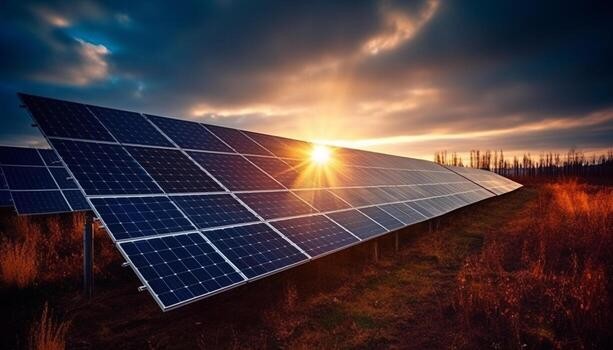
Complete Guide to Off-Grid Solar Systems for Homes An off-grid solar system for homes is a self-sufficient energy solution designed to generate and store electricity independently of the public power grid. Unlike grid-tied systems, off-grid setups operate entirely on solar energy, making them ideal for remote locations, rural properties, cabins, farms, or homeowners seeking complete energy independence. These systems harness sunlight through solar panels, convert it into usable electricity via an inverter, and store excess energy in batteries for use during nighttime or cloudy days. By eliminating reliance on utility providers, homeowners gain greater control over their energy consumption and protection from power outages and rising electricity costs. The core components of an off-grid solar system include solar panels, a charge controller, a battery bank, and an inverter. Solar panels capture sunlight and produce direct current (DC) electricity. The charge controller regulates the voltage and current flowing into the batteries, preventing overcharging and extending battery life. The battery bank stores surplus electricity so that power is available when solar production is low. The inverter then converts stored DC power into alternating current (AC), which is used to run household appliances, lighting, and electronic devices. Some systems also include backup generators to provide additional power during extended periods of low sunlight. Sizing an off-grid solar system correctly is one of the most important steps in the installation process. Homeowners must carefully assess their daily energy consumption, including all appliances, lighting, heating, cooling, and electronic devices. Factors such as geographic location, available sunlight hours, seasonal variations, and future energy needs should also be considered. A properly sized system ensures sufficient power generation and storage capacity, preventing shortages while maximizing efficiency and cost-effectiveness. Although the initial investment for an off-grid solar system can be higher than a grid-connected system due to battery costs, it offers long-term financial and environmental benefits. Homeowners can avoid monthly electricity bills, reduce their carbon footprint, and achieve energy independence. Modern battery technologies, such as lithium-ion batteries, provide longer lifespans, higher efficiency, and improved performance compared to traditional options. With proper maintenance, including periodic battery checks, panel cleaning, and system monitoring, an off-grid solar system can reliably power a home for decades. Off-grid solar systems are particularly valuable in areas where grid access is unavailable or unreliable. They provide a sustainable and dependable energy solution while supporting eco-friendly living. As solar technology continues to advance and costs gradually decrease, more homeowners are considering off-grid systems as a practical and forward-thinking investment in energy security and sustainability.
Follow us on