
Suggestions




















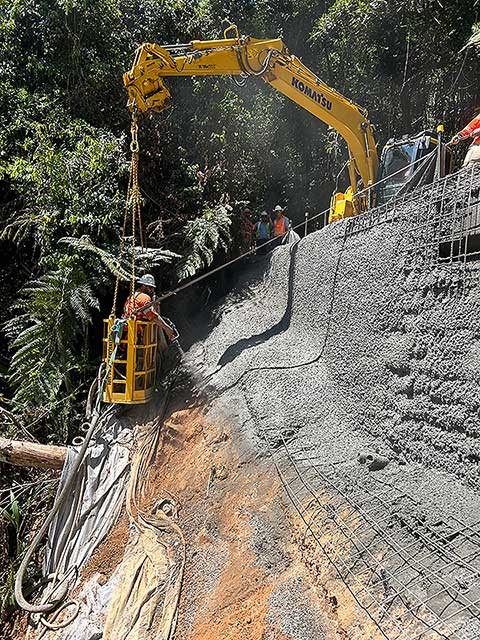
Ground Anchoring for Civil Engineering and Infrastructure Development in Grafton Ground anchoring plays a vital role in modern civil engineering and infrastructure projects, providing the stability and support required for safe, efficient, and long-lasting construction. In Grafton, where ongoing residential, commercial, and public infrastructure developments continue to shape the region, ground anchoring systems are essential for ensuring structural integrity in a variety of challenging ground conditions. From retaining walls and bridge foundations to excavation support and slope stabilization, ground anchoring offers a reliable solution for securing structures and improving overall project safety. Ground anchors are engineered systems designed to transfer structural loads deep into stable soil or rock layers. By reinforcing the ground and providing additional support, these systems help prevent movement, settlement, and failure in structures exposed to environmental pressures or heavy loads. This makes ground anchoring an important component in infrastructure projects that require high levels of stability and durability. One of the primary applications of ground anchoring in Grafton is slope stabilization. Natural terrain, embankments, and excavation sites can become vulnerable to erosion, landslides, and soil movement due to weather conditions and construction activities. Ground anchors help secure unstable slopes by reinforcing the surrounding ground and reducing the risk of collapse. This not only protects infrastructure investments but also enhances safety for workers, residents, and road users. Retaining wall construction is another area where ground anchoring provides significant benefits. Retaining walls are often used to manage changes in elevation and prevent soil displacement on residential, commercial, and civil construction sites. Ground anchors increase the strength and load-bearing capacity of retaining walls, allowing them to withstand greater pressures while maintaining long-term performance. This is particularly important for infrastructure projects involving roadways, bridges, and large-scale developments where structural reliability is critical. Excavation support systems frequently rely on ground anchoring to maintain stability during construction. Deep excavations required for basements, underground utilities, and foundation work can create significant stress on surrounding soil. Ground anchors provide temporary or permanent support, helping prevent soil movement and ensuring that excavation activities can be carried out safely and efficiently. By reducing risks associated with excavation work, these systems contribute to smoother project execution and improved site safety. Ground anchoring also plays an important role in bridge and infrastructure development throughout Grafton. Bridges, transport networks, drainage systems, and public facilities require strong foundations capable of supporting heavy loads and resisting environmental forces. Anchoring systems help improve foundation performance by distributing loads effectively and minimizing ground movement. This enhances the durability and longevity of critical infrastructure assets that serve the community for decades. Another advantage of ground anchoring is its adaptability to different soil and geological conditions. Every construction site presents unique challenges, and modern anchoring systems can be customized to suit specific project requirements. Whether dealing with soft soils, rock formations, steep slopes, or confined construction areas, ground anchoring solutions can be engineered to provide optimal support and stability. From an economic perspective, ground anchoring offers a cost-effective method of improving structural performance. By preventing ground failures, reducing maintenance requirements, and extending the lifespan of infrastructure, anchoring systems help lower long-term project costs. Investing in quality ground anchoring solutions can significantly reduce the need for future repairs and remedial work, delivering greater value for developers, contractors, and local authorities.
Follow us on