
Suggestions




















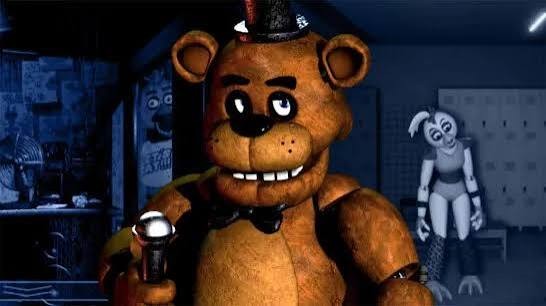
Why Horror Games Like @Fnaf Keep Us Awake at Night (And Why That's Actually Fun) There's something uniquely thrilling about horror games that mainstream entertainment just can't replicate. Unlike watching a scary movie where you're a passive observer, horror games put you in the driver's seat—literally making your decisions matter. Whether you're a seasoned horror fan or someone curious about dipping your toes into the genre, understanding what makes these games tick can help you appreciate the experience on a deeper level. What Makes Horror Games Different Horror games operate on a principle that films and books simply can't achieve: player agency paired with real consequences. You're not watching a character make a terrible decision; you're the one at the keyboard, heartbeat quickening with every choice. This immersion creates a psychological investment that transforms entertainment into something more primal and memorable. Fnaf perfectly demonstrates this concept. Rather than controlling a character who runs through dark corridors, you're confined to a small security office, managing limited resources while monitoring multiple camera feeds. The genius lies in what you can't see combined with what you can. Every blind spot becomes terrifying because your imagination fills in the gaps. Breaking Down the Core Gameplay Loop Most effective horror games follow a deceptively simple structure: establish vulnerability, introduce threats, and force difficult choices. FNAF exemplifies this formula brilliantly. You're working a night shift at a pizza establishment where animatronic characters have developed... let's call it "unexpected behavior." Your job is to survive five nights by managing power and monitoring security cameras. The brilliance emerges in the constraints. Your power is limited, forcing you to choose between lighting the main hall and checking the back room. Close a vent, lose visibility elsewhere. It's a constant negotiation between safety measures and resource depletion. This creates organic tension—there's no randomly generated jump scare waiting to frustrate you. Everything that happens is the direct result of your strategic decisions or lack thereof. Pay attention to patterns. Horror games often follow rules, even if they're not immediately obvious. FNAF has predictable animatronic behaviors that become apparent once you study them carefully. The mascot in the hallway appears at regular intervals. The one in the back moves when you're not watching. These aren't random; they're choreographed threats that reward observation and planning.
Follow us on